- Home
- Platelet Rich Plasma (PRP)
- Pages
- PRP for Osteoarthritis Knee/Shoulder/Hips/Spine
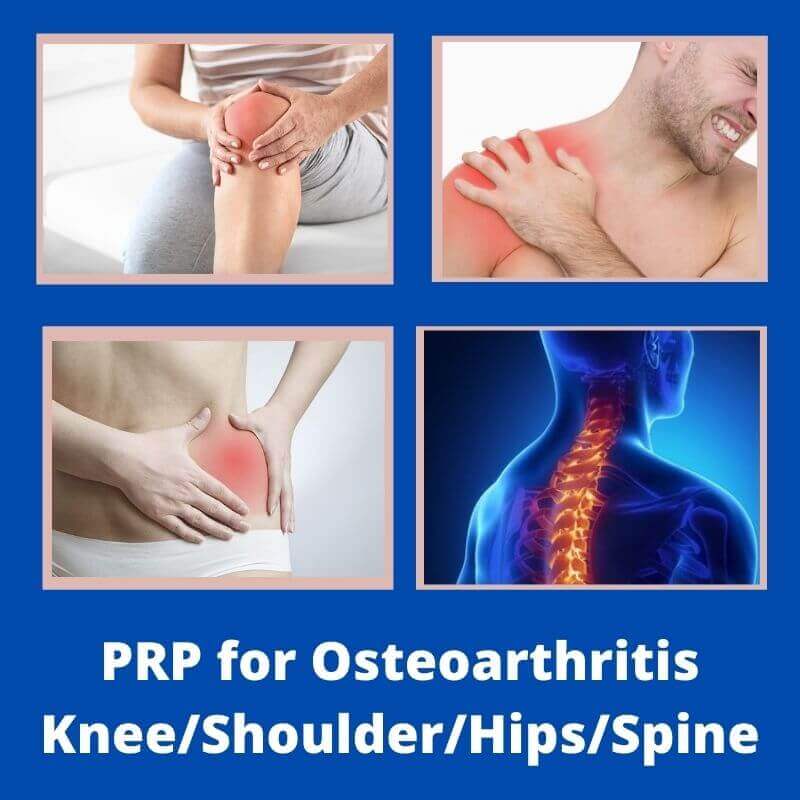
PRP for Osteoarthritis Knee/Shoulder/Hips/Spine
Platelet-Rich Plasma (PRP) Therapy is an injection-based treatment that uses a concentrated preparation of platelets obtained from the patient’s own blood. PRP is being studied and used in selected musculoskeletal conditions, including osteoarthritis and certain tendon, ligament and soft-tissue problems.
At Dr. Izharul Hasan – PRP Treatment Center, Delhi, PRP therapy can be considered for selected patients with joint pain and musculoskeletal conditions after appropriate clinical assessment.
What Is PRP Therapy?
PRP is prepared from a small sample of the patient’s own blood. The blood is processed to obtain a platelet-rich preparation, which is then administered to the targeted area.
Platelets contain various biological substances involved in the body’s natural healing and tissue-repair processes. PRP aims to concentrate these platelets at the treatment site.
Because PRP is prepared from the patient’s own blood, it is considered an autologous treatment.
PRP for Knee Osteoarthritis
Knee osteoarthritis is a common degenerative joint condition in which the structures of the knee gradually undergo changes. It can lead to:
- Knee pain
- Stiffness
- Swelling
- Difficulty walking
- Reduced mobility
- Pain while climbing stairs
- Difficulty with prolonged standing or activity
Treatment depends on the severity of osteoarthritis and may include exercise, weight management, physiotherapy, medications and other interventions.
For selected patients, PRP injection may be considered as part of a non-surgical treatment plan for symptomatic knee osteoarthritis.
PRP for Shoulder Pain
Shoulder pain can have several causes, including osteoarthritis, tendon problems and other musculoskeletal conditions.
After identifying the cause of pain, PRP may be considered in selected cases where a tendon, joint or soft-tissue problem is contributing to symptoms.
A proper clinical assessment is important because not every type of shoulder pain requires PRP.
PRP for Hip Pain
Hip pain may result from osteoarthritis, tendon problems or other conditions affecting the surrounding structures.
In selected patients with hip osteoarthritis or certain soft-tissue conditions, PRP may be discussed as a possible treatment option.
Because the hip is a deeper joint, appropriate clinical evaluation and guidance are particularly important before considering an injection.
PRP for Spine-Related Pain
Some patients enquire about PRP for spine-related or back pain.
However, spinal pain can have many causes, including muscle problems, disc-related conditions, facet joint problems and nerve-related symptoms. PRP is not appropriate for every type of back or spine pain.
A detailed assessment is necessary to determine the source of symptoms and whether PRP has a reasonable role in the treatment plan.
How Does PRP Work?
The exact biological effects of PRP are still being studied.
Platelets contain growth factors and other signalling proteins involved in tissue repair. By concentrating platelets and delivering them to a targeted area, PRP is intended to support the body’s natural healing response.
The clinical response can vary significantly between patients depending on the condition being treated, severity, age, activity level and other factors.
Potential Benefits of PRP Therapy
For appropriately selected patients, PRP may help:
- Reduce pain
- Improve joint function
- Support recovery of selected soft-tissue injuries
- Improve mobility and activity tolerance
- Potentially reduce reliance on pain medication in some patients
PRP is not a guaranteed cure for osteoarthritis, and the goal is generally symptom improvement and functional support rather than promising complete restoration of damaged cartilage.
PRP vs Knee Replacement
Knee replacement is a major surgical procedure generally considered for advanced osteoarthritis when symptoms are severe and conservative treatments are no longer providing adequate relief.
PRP is a non-surgical injection treatment and may be considered earlier in the treatment pathway for selected patients.
However, PRP should not be presented as an alternative to knee replacement in every patient. People with advanced joint damage may require an orthopaedic assessment to determine whether surgery is appropriate.
Who May Be Considered for PRP?
PRP may be considered for selected patients with:
- Knee osteoarthritis
- Certain shoulder conditions
- Selected hip joint conditions
- Tendon injuries
- Certain ligament or soft-tissue problems
- Selected musculoskeletal pain conditions
The suitability of PRP depends on the diagnosis and clinical assessment.
What Happens During PRP Treatment?
A typical PRP procedure involves:
- Assessment: The affected joint or area is evaluated.
- Blood Collection: A small amount of blood is taken from the patient.
- PRP Preparation: The blood is processed to prepare the platelet-rich component.
- Injection: PRP is administered into the selected treatment area.
- Aftercare: Activity and rehabilitation advice may be provided depending on the condition treated.
The exact procedure can vary depending on the joint, diagnosis and treatment approach.
How Many PRP Injections Are Needed?
There is no fixed number of injections that works for every patient.
The treatment plan depends on:
- Diagnosis
- Severity of symptoms
- Joint involved
- Response to previous treatment
- Overall health
- Functional goals
Some patients may be considered for a single injection, while others may require a planned series.
Is PRP Treatment Safe?
Because PRP is prepared from the patient’s own blood, allergic reactions to the PRP itself are generally not expected. However, PRP injections are still medical procedures and can have risks.
Temporary pain, swelling, bruising or soreness at the injection site may occur.
As with any injection, there is also a risk of infection or other complications, although these are uncommon when appropriate precautions are followed.
PRP for Osteoarthritis & Joint Pain in Delhi
If you are looking for PRP Treatment for Knee, Shoulder, Hip or Spine-Related Pain in Delhi, a proper diagnosis should come before deciding on treatment.
At Dr. Izharul Hasan – PRP Treatment Center, Delhi, patients can consult regarding PRP therapy for selected musculoskeletal and joint conditions in Karol Bagh, New Delhi.
The treatment plan is based on the affected joint, diagnosis, severity of symptoms and individual requirements.
Book a consultation to discuss whether PRP may be an appropriate option for your condition.
Medical Disclaimer
PRP is not suitable for every patient or every musculoskeletal condition. Evidence for PRP varies by condition and individual response. Treatment should be considered after appropriate clinical assessment.