GFC for Joint Pain in Delhi
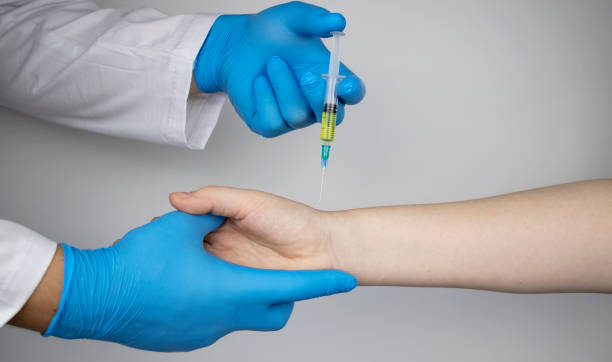
GFC for Joint Pain in Delhi is a regenerative treatment approach that uses a growth-factor concentrate prepared from the patient’s own blood. It may be considered as part of a personalized treatment plan for selected musculoskeletal conditions involving joints, tendons, and soft tissues.
At Dr. Izharul Hasan – PRP Treatment Center, Delhi, GFC-based treatments are planned after evaluating the patient’s pain condition, medical history, previous treatments, imaging reports (if available), and individual goals. The suitability of GFC depends on the underlying cause of pain and the overall condition of the affected area.
What Is GFC Treatment for Joint Pain?
GFC (Growth Factor Concentrate) is an autologous treatment prepared from the patient’s own blood using a specialized processing technique. The preparation contains concentrated growth-factor components that are administered into the targeted area under clinical supervision.
In musculoskeletal conditions, growth factors are involved in natural tissue repair and healing processes. GFC treatment may be considered as one option to support the body’s healing environment in selected patients with joint or soft tissue-related concerns.
What Is GFC Treatment for Joint Pain?
GFC (Growth Factor Concentrate) is an autologous treatment prepared from the patient’s own blood using a specialized processing technique. The preparation contains concentrated growth-factor components that are administered into the targeted area under clinical supervision.
In musculoskeletal conditions, growth factors are involved in natural tissue repair and healing processes. GFC treatment may be considered as one option to support the body’s healing environment in selected patients with joint or soft tissue-related concerns.
The appropriate treatment approach depends on factors such as the severity of the condition, duration of symptoms, age, activity level, previous treatments, and overall health.
How Does GFC Work for Joint Pain?
Joints, tendons, ligaments, and other musculoskeletal tissues can become affected due to injury, overuse, degeneration, or inflammation.
GFC treatment uses growth-factor-rich components prepared from the patient’s own blood. When administered into the targeted area, these components are intended to provide biological signals that may support the local healing environment.
The response to treatment varies from person to person. Factors such as the type of injury, stage of disease, tissue condition, lifestyle, and rehabilitation plan can influence outcomes.
GFC is not a guaranteed cure for every type of joint pain, and a proper clinical evaluation is important before considering treatment.
Conditions Where GFC May Be Considered
Depending on individual assessment, GFC may be discussed as a treatment option for selected musculoskeletal conditions, including:
- Knee joint pain
- Early-stage osteoarthritis-related symptoms
- Shoulder pain and certain soft tissue problems
- Tendon-related conditions
- Sports-related soft tissue injuries
- Ligament and connective tissue concerns
The suitability of GFC depends on the diagnosis and individual patient factors.
GFC for Knee Pain and Osteoarthritis
Knee pain is one of the common musculoskeletal concerns and can occur due to factors such as aging, injury, overuse, weight-related stress, or degenerative changes.
GFC may be considered for selected patients with knee-related concerns as part of a comprehensive treatment plan. The treatment decision depends on the severity of symptoms, examination findings, imaging reports, and overall joint condition.
Patients with advanced joint damage or conditions requiring surgical management may need other treatment approaches. A detailed consultation helps determine appropriate options.
GFC for Shoulder Pain
Shoulder pain can result from various causes, including overuse, tendon problems, injuries, stiffness, or degenerative changes.
GFC may be considered in selected cases where the goal is to support the healing environment of the affected tissue. The exact treatment approach depends on the underlying cause of shoulder pain.
A proper diagnosis is important because different shoulder conditions require different management strategies.
GFC for Tendon and Soft Tissue Conditions
Tendons and soft tissues can be affected by repetitive stress, sports activities, injuries, or gradual degeneration.
GFC may be considered as part of a treatment plan for selected tendon-related concerns. The treatment decision should be based on clinical assessment and the specific condition affecting the patient.
Rehabilitation, activity modification, and supportive therapies may also play an important role in recovery.
GFC Treatment Procedure for Joint Pain
The procedure generally involves the following steps:
1. Clinical Assessment
The patient’s symptoms, pain duration, medical history, previous treatments, and relevant investigations are reviewed.
2. Blood Collection
A small amount of the patient’s blood is collected using appropriate sterile techniques.
3. GFC Preparation
The collected blood is processed using a specialized method to prepare the growth-factor concentrate.
4. Administration of GFC
The prepared GFC is administered into the selected treatment area according to the clinical requirement.
5. Post-Treatment Guidance
Patients may receive advice regarding activity modification, rehabilitation, exercises, and follow-up depending on their condition.
Benefits of GFC for Joint Pain
Depending on individual suitability, GFC may offer potential benefits such as:
- Providing a minimally invasive treatment option
- Using material obtained from the patient’s own blood
- Supporting the local tissue healing environment
- Being considered as part of a personalized musculoskeletal treatment plan
The response and outcomes vary among individuals, and no specific result can be guaranteed.
GFC Treatment vs PRP for Joint Pain
Both GFC and PRP are autologous treatments, meaning they use components obtained from the patient’s own blood.
PRP (Platelet-Rich Plasma) contains concentrated platelets along with plasma, while GFC involves preparing a growth-factor concentrate through a specific processing method.
The choice between PRP and GFC depends on multiple factors, including:
- Type of condition
- Severity of symptoms
- Treatment goals
- Previous treatment history
- Clinical assessment
A consultation helps determine which approach may be appropriate for an individual patient.
Who May Consider GFC for Joint Pain?
GFC may be considered for patients who:
- Have persistent joint or soft tissue-related discomfort
- Are looking for minimally invasive treatment options
- Have not achieved desired improvement with basic management approaches
- Want to discuss regenerative treatment options
A clinical evaluation is required before deciding whether GFC is suitable.
Who May Not Be Suitable for GFC Treatment?
GFC may not be appropriate for every patient. Treatment planning requires consideration of factors such as:
- Active infection
- Certain blood-related disorders
- Specific medical conditions
- Certain medications
- Advanced conditions requiring other interventions
The treating clinician will assess suitability before recommending treatment.
GFC for Joint Pain in Karol Bagh, Delhi
GFC for Joint Pain is available at Dr. Izharul Hasan – PRP Treatment Center, Delhi, located in Karol Bagh, New Delhi.
Patients receive an individual assessment to understand the cause of pain and discuss suitable treatment options. The treatment plan may include GFC, PRP, rehabilitation guidance, lifestyle advice, or other supportive approaches depending on the patient’s condition.
If you are searching for GFC Treatment for Joint Pain in Delhi, consultation can help determine whether this treatment option may be suitable for your condition.
Frequently Asked Questions About GFC for Joint Pain
What is GFC treatment for joint pain?
GFC treatment for joint pain is an autologous regenerative approach using a growth-factor concentrate prepared from the patient’s own blood. It may be considered for selected musculoskeletal conditions.
Is GFC the same as PRP?
No. Both treatments use components obtained from the patient’s own blood, but the preparation methods are different.
Can GFC cure arthritis?
No treatment should be described as a guaranteed cure for arthritis. GFC may be considered as part of a treatment plan for selected patients depending on their condition.
Is GFC useful for knee pain?
GFC may be considered for selected knee pain conditions after proper assessment. The suitability depends on the cause and severity of the problem.
How many GFC sessions are needed for joint pain?
The number of sessions depends on the patient’s condition, treatment goals, and clinical assessment.
Is GFC injection painful?
Some discomfort may occur during injections. The experience varies between individuals, and appropriate measures may be used to improve patient comfort.
Can GFC replace surgery?
GFC is not a replacement for all surgical procedures. The appropriate treatment depends on the diagnosis, severity, and individual circumstances.
How long does recovery take after GFC?
Recovery and improvement timelines vary depending on the treated condition, tissue involved, activity level, and rehabilitation plan.
Book Consultation for GFC Treatment in Delhi
If you are experiencing joint pain or soft tissue-related concerns and want to explore GFC treatment options, consult Dr. Izharul Hasan – PRP Treatment Center, Delhi, in Karol Bagh, New Delhi.
A detailed assessment helps understand your condition and discuss suitable treatment approaches based on your individual needs.