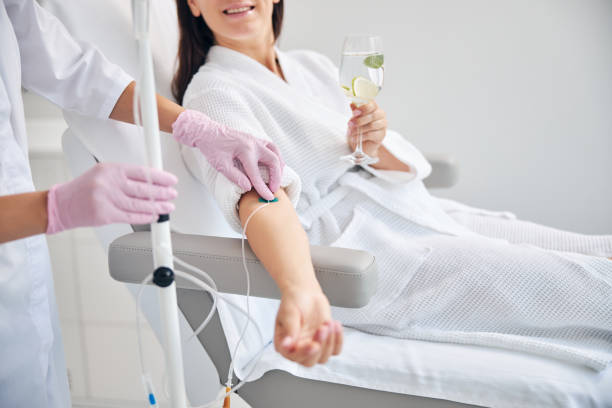
Feeling tired, dehydrated or physically drained? In some situations, IV Drip Therapy can provide fluids and selected nutrients directly into the bloodstream under medical supervision.
IV therapy is increasingly used for hydration support, nutritional supplementation and selected wellness needs. However, the right IV formulation should depend on the individual’s health, symptoms and nutritional requirements—not simply on a generic “vitamin drip.”
At Dr. Izharul Hasan – PRP Treatment Center, Delhi, patients can consult regarding IV therapy options for hydration, vitamins, nutrition, skin and hair-related wellness goals and other appropriate requirements.
What Is IV Drip Therapy?
IV, or intravenous, therapy delivers fluids and selected substances directly into a vein.
Depending on the patient’s requirements, an IV infusion may contain:
- Fluids for hydration
- Selected vitamins
- Minerals and nutrients
- Antioxidant ingredients
- Other medically appropriate components
The exact composition should be decided after considering the individual’s medical history, symptoms and suitability.
Who May Consider IV Drip Therapy?
People commonly ask about IV therapy when they are experiencing concerns such as:
- Dehydration
- Feeling physically drained
- General weakness
- Increased fatigue
- Nutritional concerns
- Recovery after periods of poor intake
- Wellness and nutritional support
- Interest in skin or hair wellness
However, fatigue or weakness can have many causes, including anaemia, thyroid disorders, infections, sleep problems, nutritional deficiencies and other medical conditions. IV therapy should not be used as a substitute for diagnosing an underlying medical problem.
IV Hydration Therapy
One of the most straightforward applications of IV therapy is hydration support.
When someone is dehydrated or unable to maintain adequate fluid intake, intravenous fluids may be considered when clinically appropriate.
Hydration can be particularly relevant after:
- Excessive sweating
- Heat exposure
- Vomiting or diarrhoea
- Reduced fluid intake
- Certain situations causing fluid loss
For significant dehydration or severe symptoms, medical evaluation is important rather than relying on a wellness infusion.
Vitamin IV Therapy
Vitamin-containing IV formulations may be considered when there is a specific nutritional requirement or clinically appropriate reason.
Depending on the formulation, vitamins may include nutrients such as:
- Vitamin B complex
- Vitamin C
- Other selected vitamins
The important point is that more vitamins do not automatically mean better health. The formulation and dose should be selected appropriately.
Glutathione IV Therapy
Glutathione IV therapy is commonly discussed in connection with antioxidant support and skin-related wellness.
Glutathione is an antioxidant naturally produced by the body. Some people seek glutathione-based IV therapy for skin-brightening or complexion-related goals.
However, results can vary, and glutathione should not be presented as a guaranteed skin-whitening treatment.
If your primary concern is skin ageing, texture or rejuvenation, other treatments may also be considered depending on your skin condition. You can learn more about Mesotherapy for Anti-Ageing.
IV Therapy for Skin and Skin Brightening
Some patients enquire about IV therapy as part of a broader skin wellness or skin-brightening plan.
Antioxidant and vitamin-based formulations may be considered depending on individual requirements.
However, healthy skin also depends on:
- Sun protection
- Adequate nutrition
- Hydration
- Sleep
- Skin-care routine
- Management of underlying skin conditions
IV therapy should therefore be viewed as one possible component of an overall approach rather than a replacement for proper skincare or treatment of skin disease.
IV Therapy for Hair and Nutritional Support
Hair health is closely related to overall nutrition, but hair fall is not simply a vitamin problem.
Nutritional deficiencies, hormonal factors, genetics, scalp conditions and other medical causes can contribute to hair loss.
If a nutritional deficiency is identified, correcting it may be important. IV therapy may be considered in selected circumstances, but it should not replace proper evaluation of persistent hair loss.
For patients experiencing significant hair thinning or shedding, identifying the underlying cause remains the first step.
IV Therapy for General Weakness and Fatigue
“General weakness” is a common reason people enquire about IV therapy.
But weakness can result from many different causes, including:
- Poor nutrition
- Dehydration
- Iron deficiency
- Vitamin deficiencies
- Lack of sleep
- Physical stress
- Recent illness
- Thyroid problems
- Anaemia
- Other medical conditions
If weakness is persistent, severe or associated with other symptoms, a medical assessment may be more important than simply taking an IV drip.
Where appropriate, laboratory testing may help identify nutritional or medical factors that need attention.
IV Drip Therapy for Nutrition Support
People with inadequate dietary intake or increased nutritional requirements may sometimes require nutritional supplementation.
The appropriate approach depends on the individual’s diet, symptoms, medical history and, when necessary, laboratory findings.
IV therapy should therefore be individualised rather than treated as a one-size-fits-all wellness solution.
How Long Does an IV Drip Take?
The duration depends on:
- Type of IV formulation
- Volume of fluid
- Individual tolerance
- Clinical requirements
The patient is generally monitored during the infusion.
Is IV Drip Therapy Safe?
IV therapy can be appropriate when the formulation is medically suitable and administered correctly by trained healthcare professionals.
However, it is not risk-free.
Possible issues can include:
- Pain or discomfort at the injection site
- Bruising
- Vein irritation
- Infection
- Fluid-related complications
- Reactions to individual ingredients
This is why IV therapy should be administered under appropriate medical supervision rather than treated as a routine cosmetic procedure.
Who Should Avoid or Discuss IV Therapy Carefully?
Not everyone is a suitable candidate for every IV formulation.
People with certain medical conditions, allergies, kidney or heart problems, pregnancy, or those taking specific medications may require additional assessment.
Always inform the healthcare professional about your existing medical conditions and medications before receiving an IV infusion.
How Is the Right IV Drip Selected?
There is no single IV drip that is ideal for everyone.
The selection may depend on:
- Your symptoms and goals
- Hydration status
- Dietary intake
- Medical history
- Existing medications
- Nutritional requirements
- Relevant laboratory results when indicated
This approach helps avoid unnecessary supplementation and makes the treatment more individualised.
IV Drip Therapy in Delhi
If you are searching for IV Drip Therapy in Delhi for hydration, nutritional support, vitamins, general wellness, skin-related goals or other appropriate requirements, consultation is an important first step.
At Dr. Izharul Hasan – PRP Treatment Center, Delhi, patients can discuss their concerns and available IV therapy options in Karol Bagh, New Delhi.
Rather than selecting an IV based only on its name, the goal is to understand what your body actually needs and whether IV therapy is appropriate for you.
View Dr. Izharul Hasan – PRP Treatment Center on Google Maps
Frequently Asked Questions
What is IV Drip Therapy used for?
IV therapy may be used for hydration support, selected nutritional requirements, vitamin supplementation and certain wellness-related goals depending on individual suitability.
Can IV drips help with weakness?
If weakness is related to dehydration or a specific nutritional issue, appropriate treatment may help. However, persistent weakness can have many causes and should be medically assessed.
Can IV therapy improve skin?
Some patients seek vitamin or glutathione-based IV therapy for skin-related wellness goals. Results vary, and IV therapy should not be considered a guaranteed skin-brightening treatment.
What is glutathione IV therapy?
Glutathione is an antioxidant naturally produced by the body. Glutathione IV therapy is commonly sought for antioxidant and skin-related wellness purposes, although individual results vary.
Can IV therapy help hair fall?
Hair loss has many possible causes. Correcting an identified nutritional deficiency may support hair health, but IV therapy is not a universal treatment for hair loss.
How often can I take an IV drip?
Frequency depends on the formulation, individual health status and clinical requirements. Repeated IV therapy should not be undertaken simply because it is marketed as a wellness routine.
Is IV therapy better than oral vitamins?
Not necessarily. Oral supplementation may be appropriate for many people. IV administration may be considered in selected situations where it is clinically appropriate.
How long does an IV drip take?
Treatment time varies depending on the type and volume of infusion and the individual’s tolerance.
Final Takeaway
IV Drip Therapy in Delhi can provide hydration, selected vitamins, nutrients or other appropriate components through intravenous infusion.
It may be considered for hydration support, nutritional needs, general wellness and selected skin or hair-related goals, but the right formulation should always be based on individual assessment.
If you are experiencing persistent weakness, fatigue, recurrent dehydration, nutritional concerns or specific skin and wellness goals, consult a healthcare professional to determine the underlying cause and whether IV therapy is appropriate.
Medical Disclaimer
This article is for general educational purposes and does not replace an individual medical consultation. IV therapy is not suitable for everyone, and the formulation, dosage and frequency should be determined according to individual medical requirements and professional assessment.

